Om Ganeshay Namah

- Home
- About
- Solutions
-
Products
Offline Products
- Fiscal Plus (Complete Accounting Software)
- Edu Sol ERP (School/College Software)
- Guest Digi Book (Hotel/ Restaurant Software)
- One Click Bill (GST Billing Software)
- Clinic Info ERP (Clinic Management System)
- Edu A/c Book (Coaching Management System)
- Medi Store Book (Medical/Pharma Software)
- Jeweller Soft (Jewellery Software)
- Art Digi Book (Garment Store Software)
- PATHLAB-SOL (Pathology Management Software)
- Loan Khata Book (Finance Management Software)
- Digi Kitab Gallery (Library Management Software)
Online Products
- School Book Store Management Software
- Transport Logistics Management Software
- Survey/Employee Verification Management Software
- Employee Tracking Software
- Outdoor Marketing Monitoring Management Software
- Customer Order Management System
- E-commerce App
- GPS Based Attendance
- Recovery Management Software
- Job Sheet and Tracking Management System
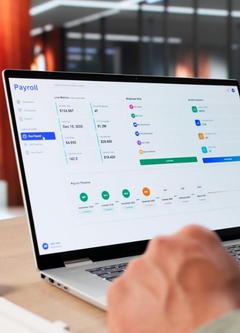
- Smart HR, Attendance & Payroll Management Solution With App
- Portfolio
- Career
- Blogs
- Media